
Skip to content
Water damage emergency? Calls answered 24/7(208) 877-4177
Huckleberry Restoration Call (208) 877-4177
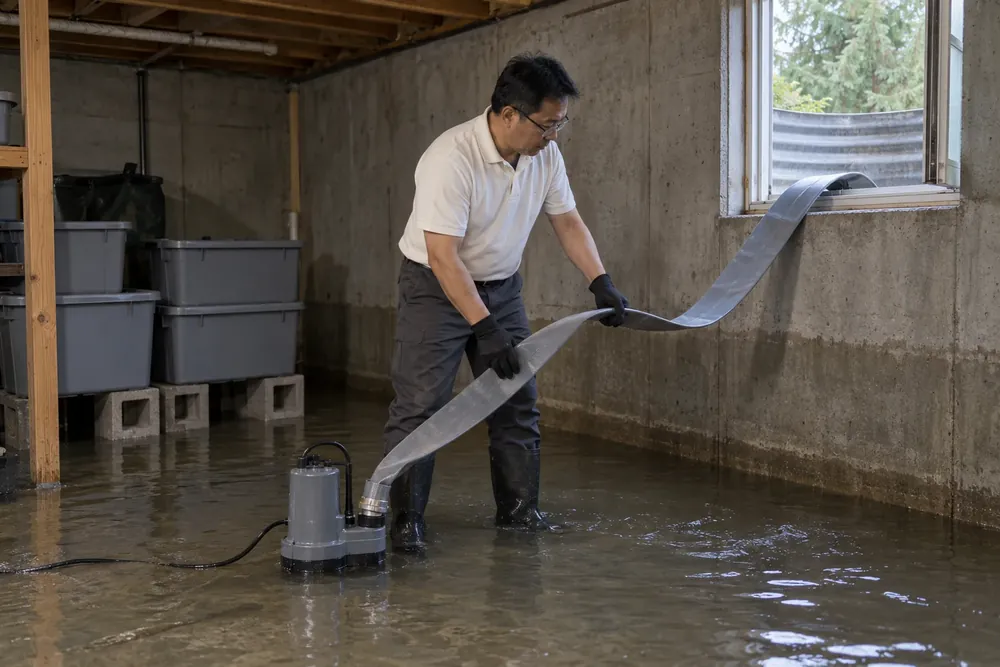
Technician in boots adjusting a pump hose in a flooded basement with storage totes raised on blocks

Post Falls, Idaho · Restoration services

Flood & Basement Cleanup in Post Falls, ID

Our local restoration professionals remove standing water, clean affected surfaces and dry basement framing in Post Falls, ID. Your technician checks the water source and moisture in walls and floors before deciding which materials need removal.

  • Calls answered 24/7
  • Moisture readings recorded
  • Scope explained before work

Basement cleanup includes removal and drying

  • Water assessment. Flood cleanup services begin with checks for electrical hazards, contamination and continuing water entry. Your technician maps moisture in the sill plate, wall cavities and flooring.
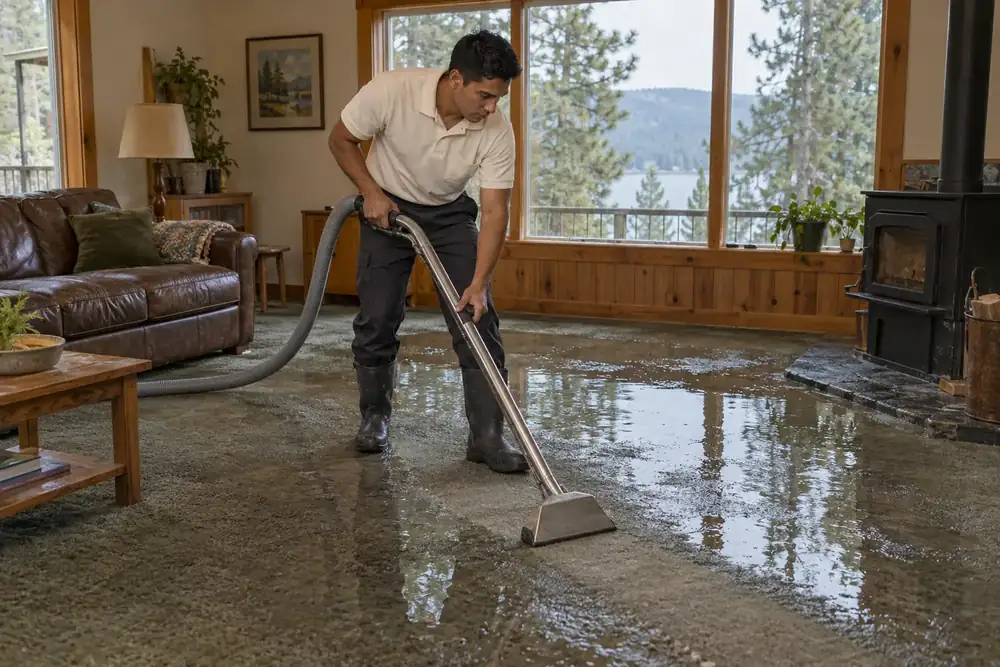
  • Pumping and extraction. A submersible pump handles standing water; an extraction wand draws water from reachable flooring. Deep basement water requires a pumping plan that accounts for pressure outside the foundation.
  • Material removal. Saturated insulation and unsalvageable carpet padding come out. A flood cut opens damaged drywall so the framing can be inspected and dried.
  • Surface cleaning. Flood damage cleanup removes mud and residue from salvageable surfaces. Contaminated materials require handling that limits the spread of dirty water.
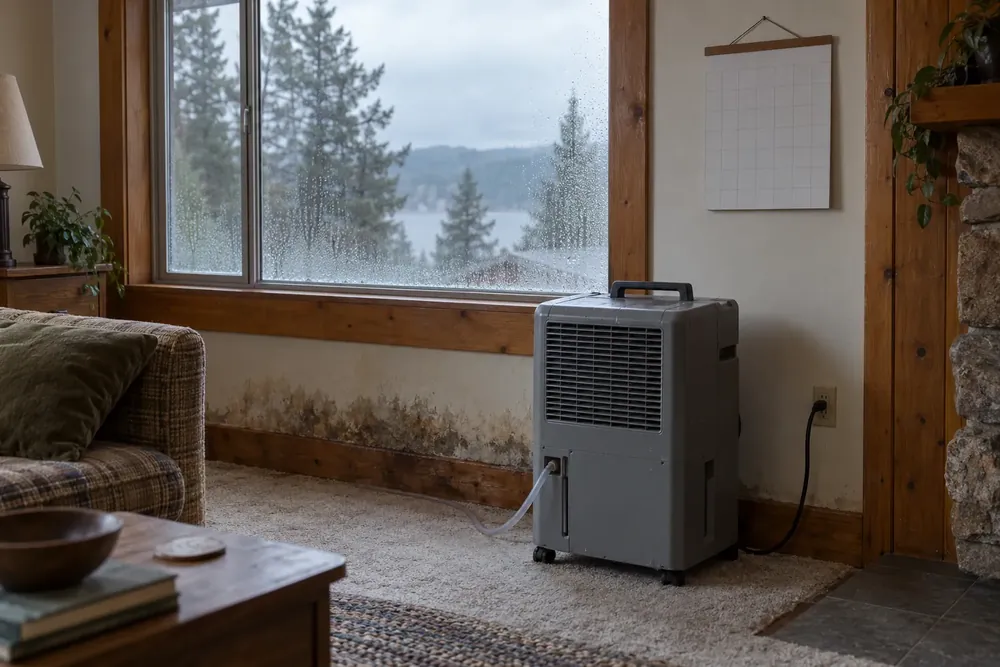
  • Measured drying. Air movers circulate air along exposed materials while dehumidifiers collect moisture. Readings track drying progress before wall cavities are closed.

Standing water and damp framing need attention

  • Water covers the basement floor or returns after the sump pump runs.
  • Carpet feels wet underfoot, or padding stays soaked after surface water disappears.
  • A water line marks drywall, and the lower edge softens or crumbles.
  • Dampness reaches stored boxes, insulation or exposed floor joists.
  • A drain overflow leaves sediment or a sewage odor; call from outside the affected room.
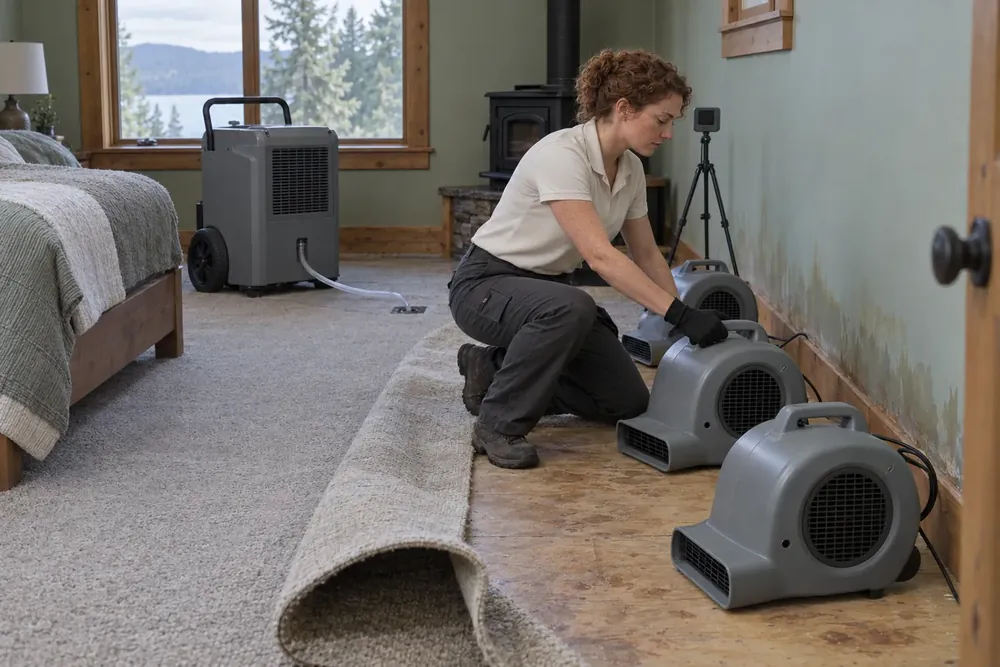
Dehumidifier beside a misted window, wall calendar, and stained baseboard

The call starts the cleanup process

  1. Describe the water. Call about the affected rooms, visible water and any drain odor. You can share those observations during the conversation without entering the basement.
  2. Inspect the wet materials. Your technician checks hazards, traces water entry and records moisture readings. The inspection sets the removal and drying scope.
  3. Remove water and residue. Pumping, extraction and material removal follow the safety assessment. Salvageable surfaces are cleaned before drying equipment is positioned.
  4. Track the drying. Follow-up readings show whether framing and subfloors have reached drying targets. Repairs proceed after the remaining moisture is addressed.

Water depth and damaged materials affect cost

Cleanup cost depends on water depth, affected floor area, contamination and access to the basement. Finished walls usually add removal and drying work compared with exposed concrete and framing. Continuing seepage also needs attention so water does not refill the space.

One of our local restoration partners will explain the proposed work and its price before cleanup begins. The written scope should distinguish extraction, disposal, equipment operation and repairs. For flood cleanup, Post Falls homeowners can compare those parts of the job in the restoration cost guide. Pipe repair or drainage correction may require a separate scope.

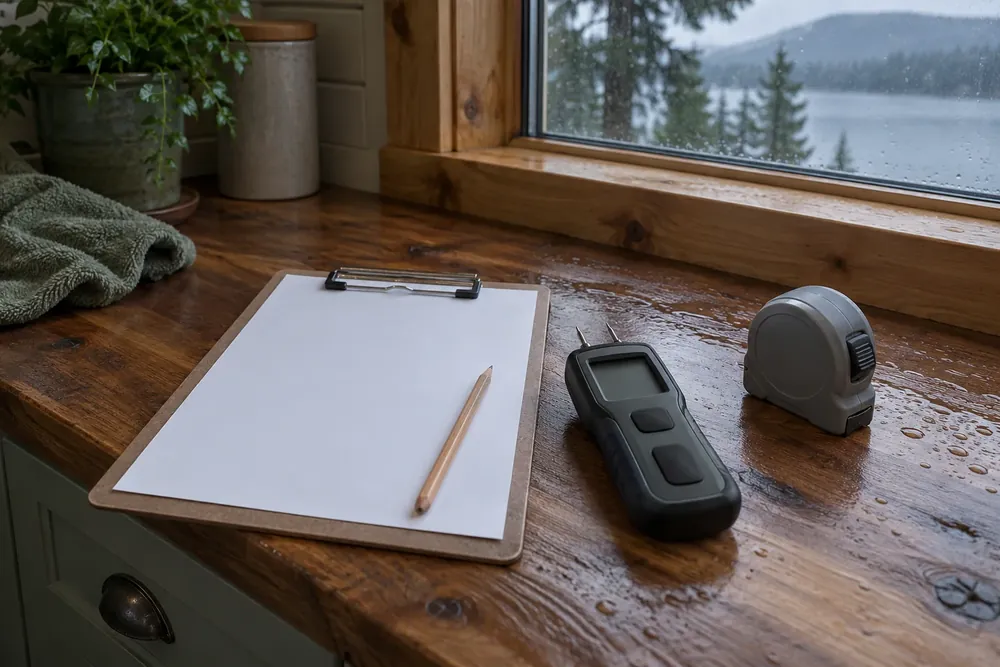
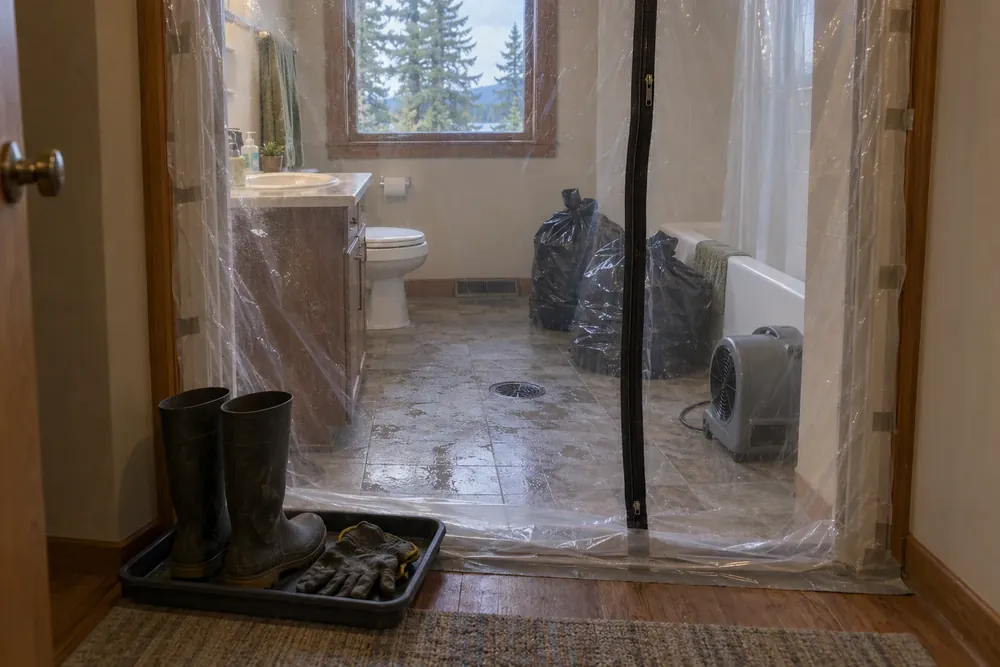
Blank inspection sheet, pencil, moisture meter and tape measure on a damp cedar countertop

A call starts with the affected rooms

  • Calls answered 24/7. You can describe basement water during the night or on a weekend, without waiting for office hours.
  • Local restoration professionals. The conversation covers the wet rooms, likely source and cleanup work needed at the property.
  • Price explained before work. A defined scope shows the removal, cleaning and drying tasks you are authorizing.
  • Documentation for insurance. Photos, moisture readings and a written scope record the damage and the work performed for your insurer.

Keep clear of water and electrical hazards

Stay out of standing water when electrical safety is uncertain, and call from a dry location. CDC guidance says to switch off power only from a dry position; an electrician should handle a panel that requires walking through water.

  • Keep children and pets away from floodwater, which may contain sewage or sharp debris.
  • Do not run an electric pump or vacuum while standing in water.
  • Leave immediately if you smell gas, and contact emergency services from outside.
  • Do not rush to empty a deeply flooded basement. EPA warns that rapid removal of several feet of water can damage walls and floors.

Call about the cleanup now; the safety assessment comes before equipment use or material removal.

Areas we serve around Post Falls

Our local restoration professionals serve Post Falls, Rathdrum, Coeur d'Alene and Hayden, Idaho, and Liberty Lake, Spokane Valley, Fairwood and Spokane, Washington, for basement pumping, removal of wet materials and drying.

Flood & Basement Cleanup FAQs

Can a flooded house be saved?

Many homes can be restored, but the extent of structural damage and contamination determines what can remain. Your technician checks framing, wall cavities and subfloors rather than relying on the visible water line alone. Materials that cannot be cleaned or dried need removal before repairs begin.

What does basement cleanup involve?

Basement cleanup involves removing water, clearing damaged materials, cleaning salvageable surfaces and drying the structure. A flood cleanup service also tracks moisture beyond the floor, including sill plates and enclosed wall cavities. Repairing the source of recurring water entry is separate from drying the materials already wet.

Should I pump out a deeply flooded basement myself?

Deep basement water needs a safety assessment before pumping because rapid removal can damage the foundation. EPA warns that water several feet deep can create structural risks when emptied too quickly. Call about the depth from a safe location; you do not need to enter the water to measure it.

What should I look for in flood restoration near me?

Look for a scope that includes water removal, contamination assessment, material decisions and recorded drying progress. A search for flood cleanup near me is a starting point; the inspection should explain how wet cavities will be reached and which materials can remain. Surface dryness alone does not establish that framing is ready for repairs.

Does cleanup include rebuilding the basement?

Rebuilding belongs in the written scope when damaged walls, trim or flooring need replacement; extraction alone does not cover those repairs. If you searched for flood damage repair near me, describe both standing water and visible material damage during the call. Drying targets should be met before new finishes cover the framing.

Call and describe the basement water, damp walls or soaked flooring so the cleanup process can begin.

Call (208) 877-4177
Call (208) 877-4177