Skip to content
Water damage emergency? Calls answered 24/7(208) 877-4177
Huckleberry Restoration Call (208) 877-4177
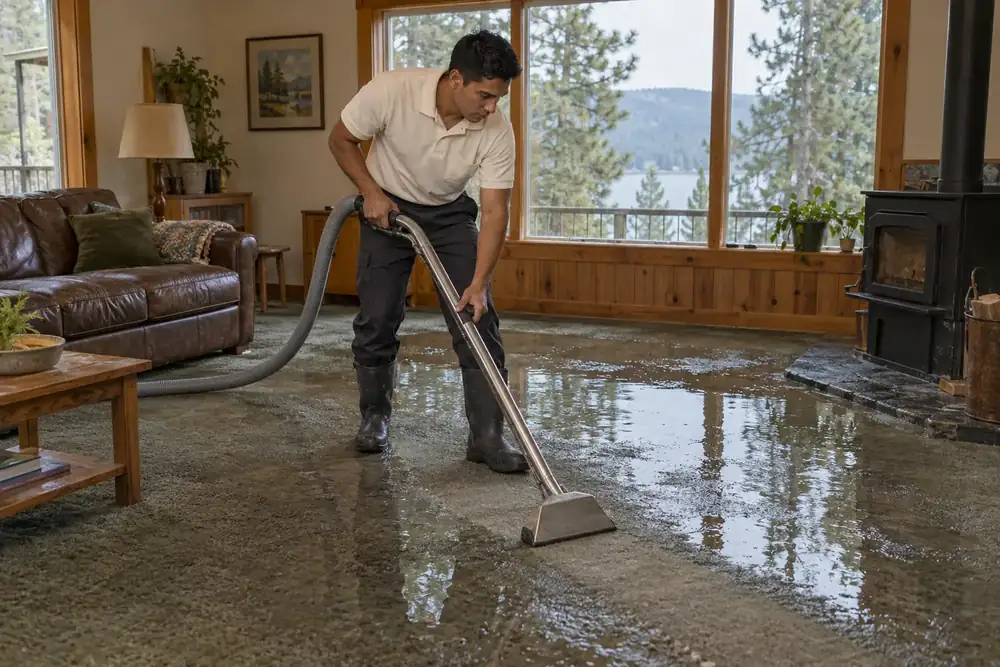
Technician in rubber boots using an extraction wand to remove standing water from living room carpet

Post Falls, Idaho · Restoration services

Emergency Water Removal in Post Falls, ID

Our local restoration professionals extract standing water from rooms, basements, and soaked carpet in Post Falls, ID. Your technician checks the wet materials and sets a drying plan for moisture left in the subfloor and framing after extraction.

  • Calls answered 24/7
  • Scope and price explained
  • Moisture readings recorded

Extraction and the Next Drying Steps

  • Source and safety assessment. Your technician checks where water entered, the condition of the room, and electrical hazards before selecting equipment or starting extraction.
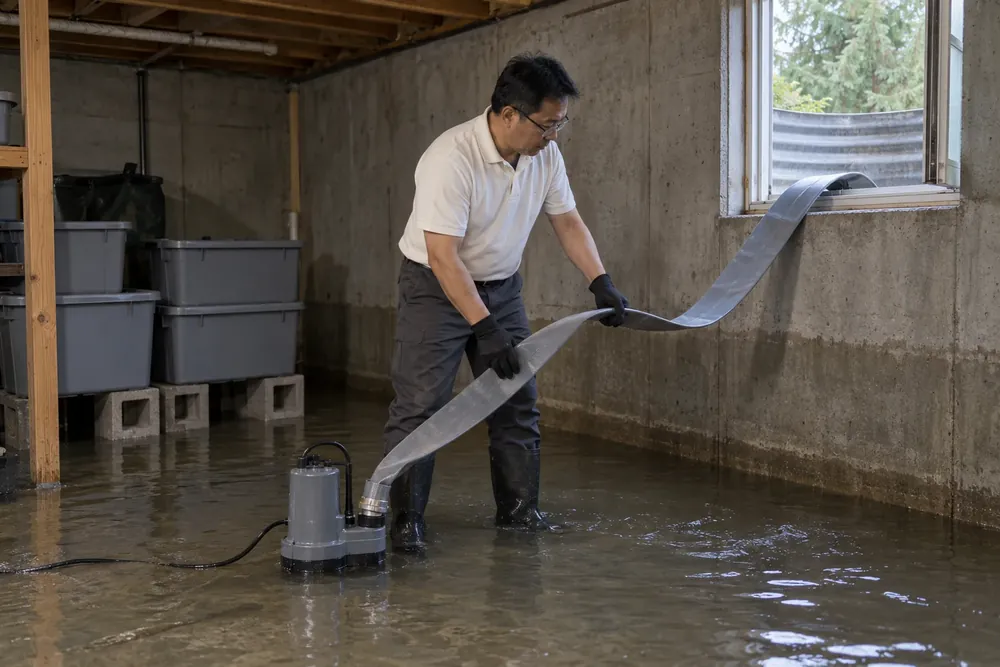
  • Standing water extraction. Pumps remove accumulated water, and an extraction wand draws water from accessible carpet. The tool depends on water depth, contamination, and access.
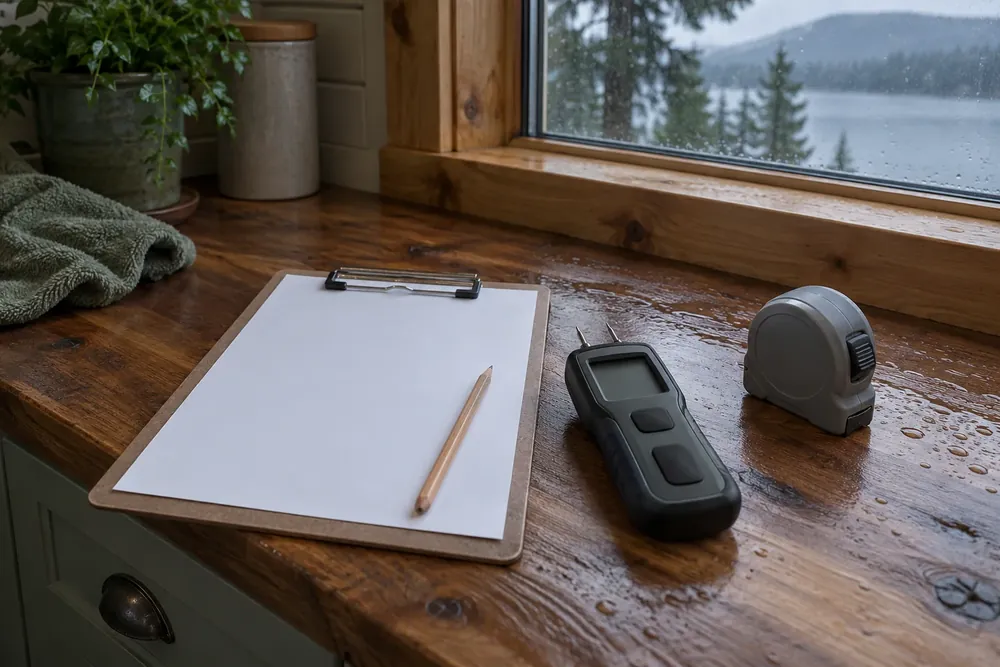
  • Moisture mapping. A moisture meter checks the floor, baseboards, and nearby walls. Those readings identify wet areas beyond the visible edge of the puddle.
  • Material assessment. Carpet pad, insulation, and damaged drywall are checked for removal. The scope identifies materials that cannot be retained and openings needed for drying.
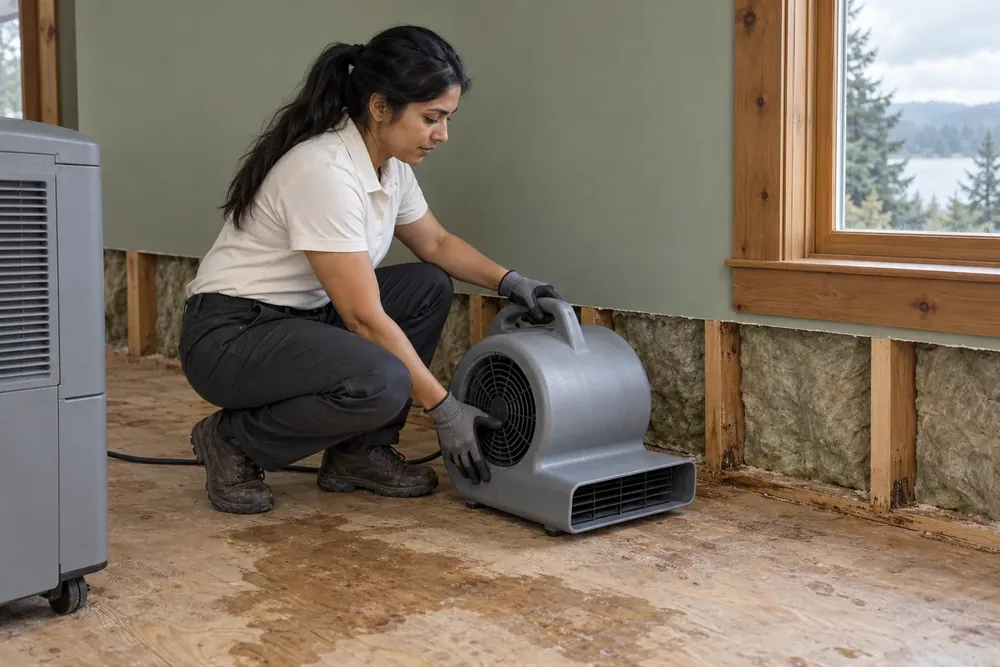
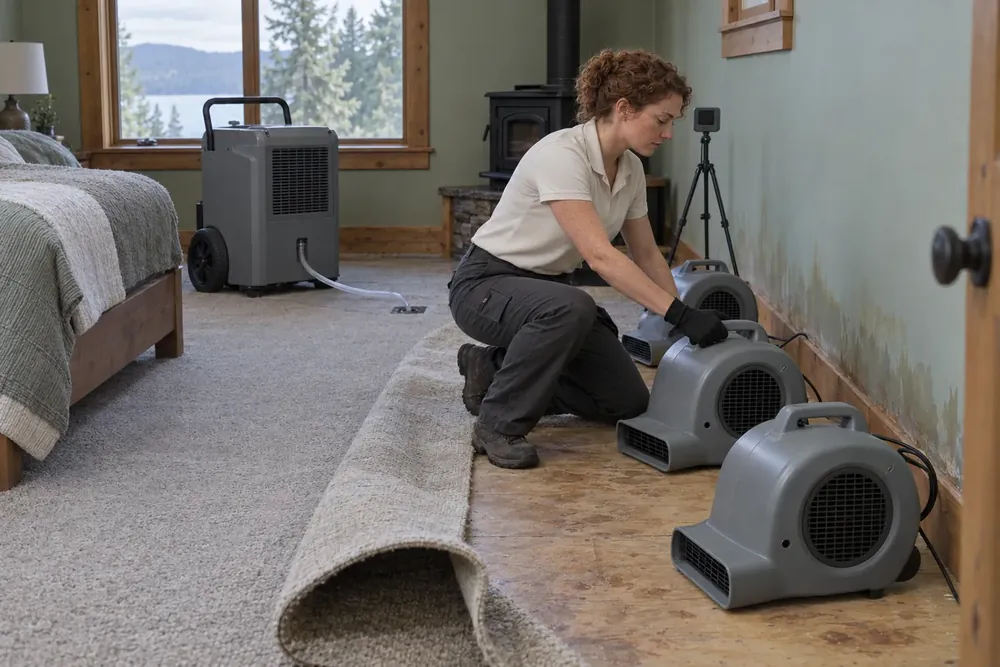
  • Drying setup and records. Air movers and dehumidifiers are positioned for the remaining wet structure. Photos, moisture readings, and a written scope provide documentation for insurance.
Technician crouching to set an air mover beside an opened wall with exposed studs and insulation

Standing Water and Soaked Materials Need Attention

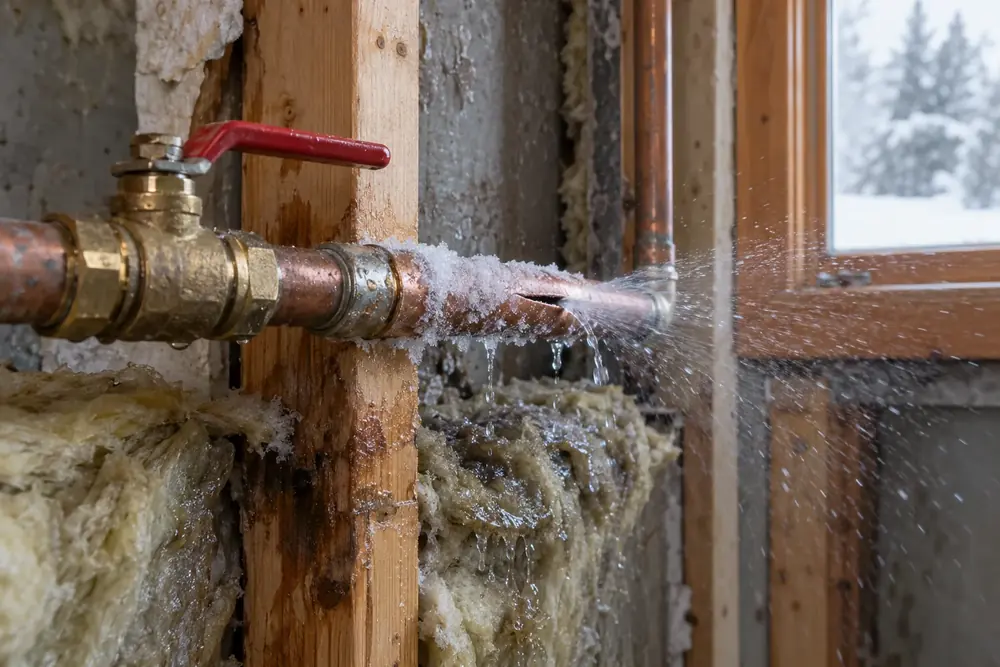
  • Water is spreading across a room after a pipe, appliance hose, or water heater leak; call while the affected area is still growing.
  • Carpet squelches underfoot, or water rises at its edges when furniture presses against the pile.
  • A basement has pooled water near walls, storage, or the bottom of the stairs.
  • Flooring seams swell or lift while adjacent baseboards develop damp patches.
  • A drain backup leaves water of uncertain cleanliness; keep people and pets outside the wet area and call about cleanup.

How Extraction Leads Into Structural Drying

  1. Call about the standing water, tell the technician your Post Falls or nearby Idaho location, and arrange the inspection time during the conversation.
  2. At the visit, your technician checks the source and electrical conditions, maps wet materials, and explains the proposed extraction and drying work.
  3. Once the source is controlled and the work area is safe, pumps and extraction tools remove water, with necessary material removal included in the agreed scope.
  4. Air movers and dehumidifiers then dry the remaining structure, and repeated moisture readings determine when drying goals have been met and repair work can proceed.

Water Depth, Access, and Materials Affect Cost

The volume of water, condition of the affected materials, and access to the room determine the extraction work. Water beneath carpet pad or inside a floor assembly adds inspection and drying steps. Contamination may also change which materials need removal.

During a water removal emergency, your local restoration partner explains the planned work and its price before extraction begins. The scope separates water extraction from continued drying and any later repairs. Equipment quantity, monitoring, disposal, and drying duration can all affect the total. See what water damage restoration costs for the factors behind the written scope.

Blank inspection sheet, pencil, moisture meter and tape measure on a damp cedar countertop

A Call Starts a Measured Cleanup Plan

  • Calls answered 24/7. Describe standing water when you find it, including a leak discovered overnight or water noticed when returning home.
  • Local restoration professionals. The call starts the inspection process for Post Falls and nearby Idaho homes, with the visit time arranged directly with you.
  • Price explained before work. Review the extraction scope, planned drying equipment, and proposed charges before cleanup starts.
  • Documentation for insurance. Photos, written observations, and recorded moisture readings describe the damage and the work; your insurer makes coverage decisions.

Stay Clear of Water and Electrical Hazards

Stay outside rooms where standing water may contact outlets, cords, or appliances, and call from a dry location. CDC flood safety guidance advises switching off power only when the main switch can be reached without entering water. An electrician should handle a switch that requires crossing a wet area.

If a plumbing leak is active, close the water shutoff only when you can reach the valve safely. Leave immediately if you smell gas; contact emergency services from outside. Keep children and pets away from floodwater or drain backups. Do not run a household vacuum or place a fan in standing water. Avoid walking beneath a sagging ceiling.

Describe the hazards during the call so the inspection accounts for them. The water damage first steps provide further safety guidance.

Areas we serve around Post Falls

Our local restoration professionals serve Post Falls, Rathdrum, Coeur d'Alene, and Hayden, Idaho, and Liberty Lake, Spokane Valley, Fairwood, and Spokane, Washington, with extraction and drying plans based on the wet materials in each home.

Emergency Water Removal FAQs

What is water extraction?

Water extraction removes standing water or draws excess water out of accessible carpet using pumps and extraction tools. The process reduces the water available to spread into adjacent materials. Moisture can remain inside the subfloor and wall framing afterward, so your technician checks those areas and plans structural drying based on the readings.

How do I book water extraction services near me?

Call to describe the standing water and arrange an inspection for your Post Falls or nearby Idaho home. Tell the technician which room is affected and whether the leak is ongoing. Those details help frame the assessment. The technician examines the wet materials, explains the work, and reviews the price before starting.

What should I report when calling for emergency water removal near me?

Describe where the water is, whether more is entering, and any electrical hazards you can see from a dry place. Share your town and the type of flooring involved during the call. You can arrange the visit without measuring the room or testing the water. Stay out of an area that appears unsafe.

Is extraction enough to dry the house?

Extraction usually leaves moisture within porous materials, so the house may need continued drying. An air mover directs airflow across wet surfaces, and a dehumidifier removes moisture from the air. The drying plan depends on what remains wet after water is extracted. Meter readings help determine when equipment can be removed.

Can wet carpet be saved after extraction?

Wet carpet can sometimes be saved through emergency water damage restoration, depending on the water source, exposure, and contamination. The water source, length of exposure, condition of the backing, and contamination affect that decision. Extracting the surface does not dry the pad or subfloor. Your technician explains whether removal is needed and includes that work in the scope.

Call now about standing water or soaked carpet, and a local restoration professional will arrange the inspection and explain the extraction steps.

Call (208) 877-4177
Call (208) 877-4177